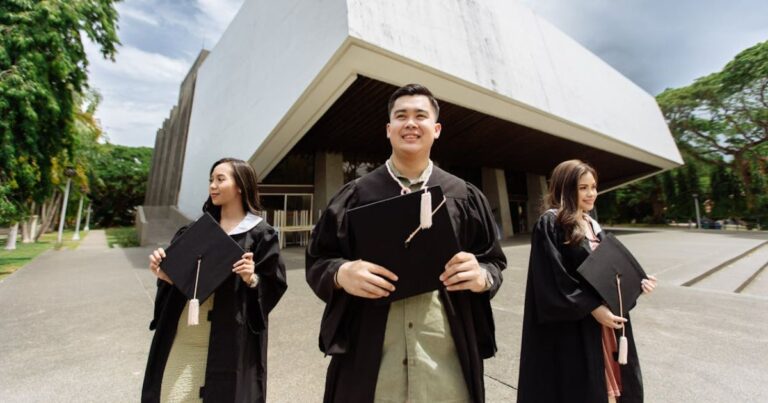
If you’re a Filipino college student, you already know the struggle: allowance day feels like a mini jackpot—then suddenly it’s Wednesday and you’re choosing between pamasahe and lunch. The good news? You don’t need a huge allowance to manage your money well. You just need a simple system that fits real student life in the Philippines—commute costs, “ambagan,” surprise deadlines, and the ever-tempting milk tea.
This guide will show you exactly how to budget money as a Filipino college student, with practical categories, sample budgets, and habits you can actually stick to.
Know your real money situation (not your “sana” situation)
Before you make a budget, you need clarity. Most students skip this and end up “budgeting” based on guesses.
Step 1: List all income sources
Include everything you can realistically count on:
- Weekly/monthly allowance from parents/guardian
- Scholarship stipend (CHED, LGU, private)
- Part-time income (online freelancing, tutoring, selling)
- Side hustles (reselling, printing services, baked goods)
Tip: If your income is irregular (e.g., sideline), budget using the minimum you usually earn—not your best month.
Step 2: Track your spending for 7 days
You don’t need a fancy app. A notes app or a small notebook works.
Track:
- Food (canteen + outside)
- Pamasahe (jeep, trike, Angkas, MRT/LRT)
- School expenses (printing, projects, lab)
- Load/data
- Personal (hygiene, skincare, laundry)
- “Small” purchases (snacks, iced coffee, Shopee add-ons)
You’ll spot where your money is leaking fast—usually food delivery, impulsive snacks, and “small” online purchases.
Pick a budgeting method that works for students
Here are the best budgeting methods for college life—simple and effective.
1) The “4 Envelope” Student Budget (best for beginners)
Split your allowance into four categories:
- Daily essentials (food + commute)
- School (printing, projects, org fees)
- Savings (even small counts)
- Wants (milk tea, gala, subscriptions)
This works especially well if you withdraw cash weekly and keep it separate (literal envelopes or separate e-wallet “pockets”).
2) The 50/30/20 Rule (student version)
Traditional rule:
- 50% needs
- 30% wants
- 20% savings
Student-friendly version (more realistic):
- 60% essentials (food + commute + load/data)
- 20% school (printing + projects + org contributions)
- 10% savings
- 10% wants
If you have a scholarship stipend, you can increase savings to 15–25%.
3) Zero-based budgeting (for tight allowances)
Every peso gets a job. Example: If you have ₱2,000 for the week, you assign the full ₱2,000 to categories until nothing is “unassigned.” This prevents the “extra money” illusion.
Build your budget around the biggest student expenses in the Philippines
A realistic Filipino college student budget usually centers on these:
Essentials: food + pamasahe (your make-or-break category)
These are daily and unavoidable.
Smart strategies:
- Set a daily spending cap (ex: ₱120/day for food)
- Bring baon 2–3x a week (even just rice + ulam)
- Choose “busog meals” (silog, carinderia) over random snacks
- Avoid “small add-ons” (extra pearls, delivery fee, “barya lang” snacks)
School costs: don’t let projects surprise you
School expenses aren’t always daily, but they hit hard when they come.
Include:
- Printing/photocopying
- Group projects (cartolina, materials, props)
- Lab fees, uniforms, tools
- Org contributions/ambagan
- Thesis/requirements (later years)
Move: Create a School Fund weekly, even if small (₱50–₱150/week). That way, deadlines don’t destroy your budget.
Load/data: the silent budget killer
Online class days, group chats, and research can drain your money.
Tips:
- Compare promos (Go+ vs. Magic Data vs. Unli offers)
- If you have stable WiFi at home, reduce mobile data spending
- Set a fixed monthly cap (ex: ₱200–₱400)
Savings: start tiny but keep it consistent
Savings isn’t only for “rich students.” It’s your buffer for emergencies.
Start with:
- ₱10–₱20 per day, or
- 5–10% of allowance
Rule: Save first, not last. If you “save what’s left,” you’ll save nothing.
Sample budgets (realistic PH student examples)
Example A: ₱500 per week allowance (tight budget)
This is tough but manageable with discipline.
- Pamasahe: ₱200 (₱40/day × 5 days)
- Food: ₱200 (₱40/day × 5 days — baon helps a lot)
- School fund: ₱50
- Savings: ₱30
- Wants: ₱20
Reality check: With ₱500/week, you must reduce spending by bringing baon, walking short distances, or using student discounts.
Example B: ₱1,500 per week allowance (common for commuters)
- Pamasahe: ₱400
- Food: ₱650
- Load/data: ₱100
- School fund: ₱150
- Savings: ₱150
- Wants: ₱50
You still get “fun money,” but it’s controlled.
Example C: ₱4,000 per month allowance (typical monthly release)
- Essentials (food + commute): ₱2,400
- School: ₱800
- Savings: ₱500
- Wants: ₱300
Best practice: Divide monthly allowance into weekly budgets so you don’t overspend early.
How to budget weekly (the easiest system for students)
Budgeting weekly beats monthly for most students because your spending is daily.
Weekly setup (10 minutes every weekend)
- Check remaining money (cash + GCash/Maya)
- List upcoming school needs (projects, printing, events)
- Set fixed amounts for:
- Pamasahe
- Food
- School
- Savings
- Wants
- Withdraw only what you need for the week (if possible)
Daily rule that saves you fast
Pick one:
- “I can spend only ₱___ today,” or
- “I can buy only 1 want per week.”
Simple rules beat complicated spreadsheets.
Practical money-saving tips that actually work in college
Bring “strategic baon,” not perfect meal prep
You don’t need Pinterest-level meal prep. Try:
- Rice + ulam in a small container
- Tinapay + peanut butter
- Boiled eggs + banana
- Instant oatmeal (if you have hot water access)
Even 2–3 baon days per week can save ₱300–₱600/month.
Avoid the “break time trap”
Most overspending happens during breaks:
- “Tara, iced coffee”
- “Snack lang”
- “Ang init, milk tea”
Fix: Decide your snack budget before you leave home. If it’s not in the budget, it’s a “no.”
Use student discounts and school resources
- Student fare discounts (where applicable)
- Library instead of printing everything
- Free campus WiFi
- Borrow books/tools when possible
Set rules for online shopping
Shopee/Lazada can destroy a student budget quietly.
Try:
- 24-hour rule before checkout
- One “checkout day” per month
- Delete saved cards to add friction
What to do when you overspend (without giving up)
Overspending happens. The key is to recover fast instead of quitting.
The 3-step reset
- Pause wants for 3–7 days (no milk tea, no delivery)
- Adjust the next category (reduce food spending slightly with baon)
- Protect savings (don’t steal from your emergency buffer unless necessary)
Overspending is a data point—not a failure.
Budget tools Filipino students actually use
Use what matches your lifestyle:
- Notes app (fastest, simplest)
- Google Sheets (if you like tracking)
- GCash/Maya history (great for reviewing spending)
- Cash stuffing/envelopes (best for controlling daily spending)
The best tool is the one you’ll keep using.
FAQ: Budgeting Money as a Filipino College Student
1) How much should a Filipino college student save from allowance?
Aim for 5–10% if your allowance is tight. If you have a scholarship or extra income, target 15–25%. Consistency matters more than amount.
2) Is it better to budget weekly or monthly?
For most students, weekly budgeting works better because expenses are daily and predictable. Monthly budgeting often leads to overspending early.
3) How do I budget when I have irregular income (sideline/freelance)?
Budget based on your lowest typical income, then treat extra earnings as:
- 50% savings
- 30% school fund
- 20% wants (or debt if you have any)
4) What’s the best way to control food spending on campus?
Set a daily food limit, bring baon 2–3x weekly, and avoid frequent “small snacks.” Those add up faster than full meals.
5) How do I handle big school expenses like thesis or major projects?
Create a school sinking fund: set aside a fixed amount weekly (even ₱50–₱150). Start early so big expenses don’t shock your budget.
Conclusion: Your allowance is limited—your system doesn’t have to be
Learning how to budget money as a Filipino college student isn’t about being kuripot—it’s about staying in control, avoiding stress, and making sure your money lasts until the next allowance. Start small: track for 7 days, budget weekly, and build a simple routine you can follow even during busy midterms.
CTA: Want a personalized budget breakdown? Comment (or write down for yourself) your weekly/monthly allowance and your commute + class schedule, then create your first weekly budget today—no perfect plan needed, just a starting point.